
Advertisements
Disney + announced that it would not be moving forward with its live-action Power Rangers series.
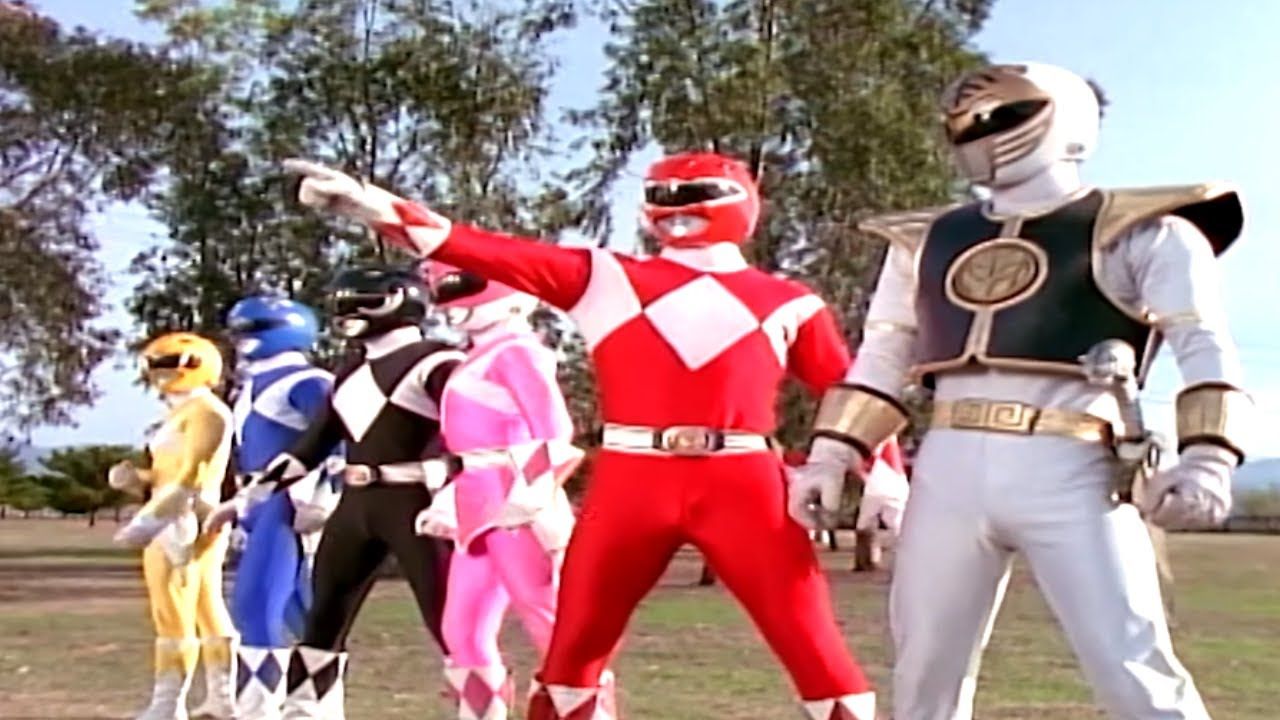
The project, written and executive produced by Percy Jackson and the Olympians executive producers/showrunners Jonathan E. Steinberg and Dan Shotz, was set up for development for the Disney streaming platform about a year and a half ago with sibling 20th Television as the studio. It will not be going past the development stage.
Why Disney + passed on it? According to industry reports, the decision was less about creative friction and more about cold business math. Mounting a high-end, live-action hero television series like Power Rangers is considered a major investment, the economics behind this aren’t favorable for Disney because they do not own the IP. The franchise remains under Hasbro’s umbrella, marking yet another stalled attempt by the toy giant to build a sustainable live-action TV presence. Here is why a modern live-action reboot was fundamentally mismatched for today’s streaming landscape:
Advertisements
Advertisements
The Reasons Why Power Rangers Wouldn’t have worked on Disney + Today.
Third Party IP Economics
- Streaming platforms are no longer willing to fund massive live-action shows when another company collects the merchandise revenue.
- Unlike Marvel or Star Wars, Disney owns both IPs, and the end-to-end ecosystem (streaming + toys + theme parks).
- The Power Rangers Toy Revenue goes directly to Hasbro.
- It would mean Disney would have to spend $100M+ on a VFX-Heavy series that amounts to high-budget commercial for Hasbro’s licensing ecosystem.
The Post Streaming War-Correction
- The era of “blank check” streaming development is over.
- Between 2019 and 2022, streamers hoarded external franchises at any cost. In 2026, every platform is trimming fat and demanding strict ownership or profit-sharing.
- Power Rangers, being in the reboot territory is considered to be a High-Risk. High-Risk Reboots that do not have any built-in streaming profitability are the first on the chopping block.
Signs of Nostalgia Fatigue
- This isn’t franchise fatigue, the Power Rangers are facing a bigger problem, and that is a franchise that is stuck in 1993 for over a decade. It is showing signs of Nostalgia Fatigue.
- Hasbro has doubled down on nostalgia, instead of building a fresh universe that could captivate today’s kids on its own merit.
- Hasbro scrapped their Japanese Super Sentai adaptation deal and tapped Percy Jackson showrunners Jonathan E. Steinberg and Dan Shotz, the goal was to completely erase the 30-year TV canon and start over.
- The new series was aimed at being a fresh ground-up reboot of the core Mighty Morphin setup. From the abandoned Jonathan Entwistle Netflix universe to their comic book series—their default starting line is always a modern reimagining of the original 1993 dynamic.
- Finally, Nostalgia has an Expiration Date.
- Hasbro has refused to past one specific era of the brand’s past. The MMPR era.
- The company continues to mine the MMPR era for 10+ years, the feeling of nostalgia begins to lose its magic, becoming a corporate retread.
AD: NEW FROM BOOM! Studios: Get ready for a groundbreaking new series featuring all your favorite Rangers across time and space! Check out Power Rangers Unlimited Now!
This post contains affiliate links, which means that if you click on one of the product links and make a purchase, we’ll receive a percentage of the sale. Whatever purchase through the affiliate links helps the site.
Even the Toei Company, an architect of the Tokusatsu genre, recognized when it was time to step back. Following the 50th Anniversary season, the brand entered an official hiatus, where Toei pursued a new way to create new ways to entertain the audience with PROJECT R.E.D after half a century of continuous production. If a franchise with 50 years of wild visual reinvention and unique storytelling can step back and catch its breath, the Power Rangers— a brand that has spent over a decade stuck in an endless 90s era nostalgia loop is entitled to that same rest.
Another way to look at the difference between Toei and Hasbro is, yes, Toei still produces collectors belts, High-End Morphers, and other retro figures for the fans. But they treat nostalgia as a side business— not the main engine driving their flagship media content. Hasbro’s strategy exposes a fundamental flaw, by treating the Mighty Morphin as the only viable driver of revenue, they paralyzed the creative expansion of the brand. where Toei treats past series as a foundation while constantly building something new on top of it.
Source: Deadline
Thanks for reading! If you have any suggestions, news tips, or questions, email them to: webmaster@bigrednerd.com.
Follow Me on Social Media!



