
A special thanks to Seven Seas Entertainment and NetGalley for the opportunity to review the ARC.
Warning: This review discusses a story that contains mature and sensitive subject matter, including depictions of violence, psychological distress, and complex personal/identity issues. Out of respect for the weight of these themes, I will keep certain details limited and will not explore every aspect at length.
Today’s review is taking us into a dark, grim world filled with despair, psychological horror, and that world is dark, so much nightmares are truly made of. This is the first volume review of Atatakairo’s The Scum Laugh. As always, if you’re interested in my past reviews, click here to head over to my reviews category.
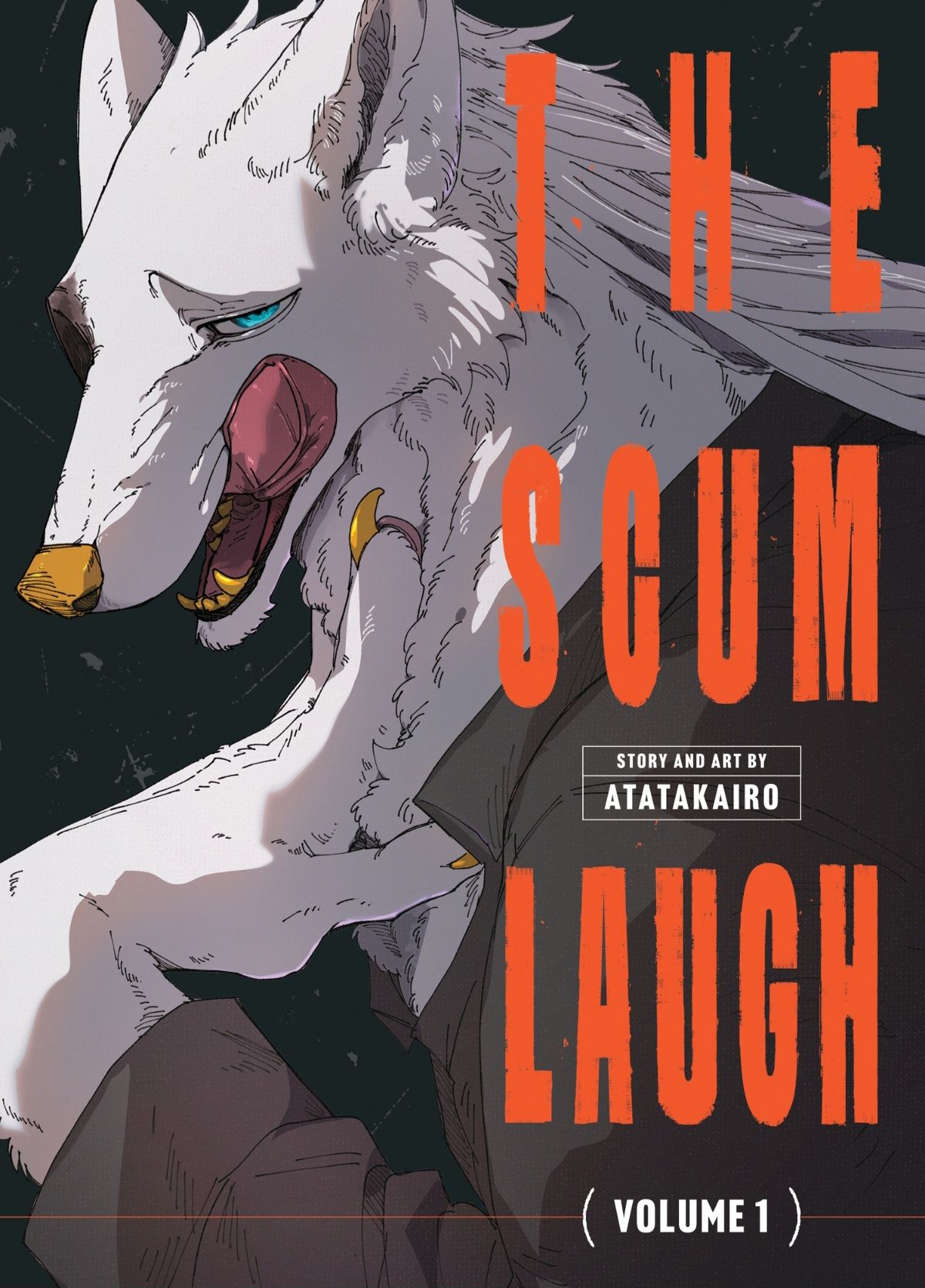
The lives of Beastmen suffering from madness is on full display. A wolfman named Deco once slaughtered his family out of morbid curiosity. Now he has a family of his own. Haut, a wealthy elk heir struggling with their gender, falls in love with Clivia, a fox-woman servant, and together they must hide their relationship from Haut’s domineering father. What will happen to these cursed families of beastfolk?
George Bernard Shaw said it best: “You use a glass mirror to see your face; you use works of art to see your soul.” That certainly rings true for Atatakairo’s The Scum Laugh. This unsettling fantastical story bridges the gap between a fictional world and genuine human behavior. By using anthropomorphic beastmen, Atatakairo gives the reader a safe distance—allowing the narrative to hold up an unfiltered mirror to uncomfortable real-world truths without ever feeling preachy.
Rather than relying on shock value, the narrative focuses on the quiet psychological toll of social masking and isolation. Beneath their animalistic appearances, each character wrestles with deeply recognizable struggles—the pressure to perform normalcy, the ache of alienation, and the way unchecked obsession can slowly warp a sense of self. The darker real-world parallels in this story are all too familiar in today’s constant news cycle. Atatakairo avoided sensationalism by turning the lens inward. The story forces the reader to confront how fragile the human psyche becomes when empathy breaks down, leaving readers feeling unsettled not by a graphic spectacle, but by how grounded those internal fractures feel.
Atatakairo’s visual storytelling sealed the experience. Their lush, full-color artwork act like a polished glass surface—it is vibrant and captivating at first glance—while subtle shifts in expression, shadow, and pacing gradually expose the fractured souls underneath. By letting the visuals carry the emotional weight rather than overly-explaining the trauma, the manga and story puts trust in its reader to sit with the discomfort and reflect on what they see. In the end, The Scum Laugh earns praise, standing as a haunting reminder that that the most unsettling reflections in art are the ones that look back at us with human eyes.
The Scum Laugh Vol. One is available now, if you enjoy dark stories, then I would recommend this series. You can pick up a copy at your local book store, and at the links below from Amazon.
Final Grade:
Thanks for reading! If you have any suggestions, news tips, or questions, email them to: webmaster@bigrednerd.com.
Follow Me on Social Media!
This post contains affiliate links, which means that if you click on one of the product links and make a purchase, we’ll receive a percentage of the sale. Whatever purchase through the affiliate links helps the site.



