
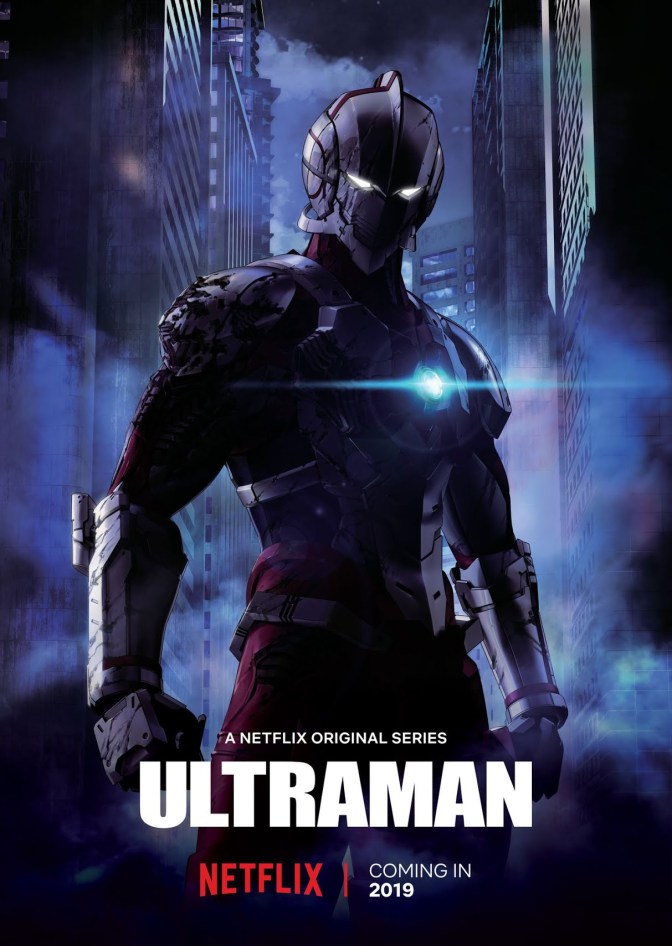

Before we begin this review, I would like to point out that this is a series review focusing on Season One-Three. The review I previously wrote in 2019 only reflected the first season before it would get picked up for two more seasons. So, strap yourselves in and grab that Beta Capsule. We’re about to save the earth!
Adapted from the manga series created by Eiichi Shimizu (writer) and Tomohiro Shimoguchi (Illustrator), Ultraman takes place decades after the events of the Ultraman television series and the adventures with the legendary Giant of Light was now a memory, it was believed that he returned to his home after defeating Giant Aliens and other creatures. Shin Hayata, the former host of the Giant of Light had a son named Shinjiro Hayata, who seems to possess a strange new ability, after learning that his father was Ultraman, leads Shinjiro to stop alien invasions as the new Ultraman.
The approach to this series (and the manga) was an interesting idea, having it take place after the 1966 television series, where certain elements included the other Ultra Brothers (Seven, Jack, Ace, Zoffy, and Taro), the alien species they fought, and even a reference to Ultrawoman Marie, the Mother of Ultra. It was clear to see that even with a dark, edgy approach (which seems to be the new normal these days) to what made Ultraman so popular. While I don’t approve of how vulgar (cursing mostly) it got at times, the series was still a labor of love and showed in great detail it was made with the reverence of the Ultraman Legacy.
As far as it goes, I am not familiar with Shimizu and Shimoguchi’s Ultraman Manga, so I approached this with caution and optimism like most newer fans. When I first wrote the review in 2019, I wasn’t familiar with Ultraman, or the franchise. But over time I grew to love the Tokusatsu genre and Ultraman. In terms of animation, the first two seasons struggled with getting the characters to convey proper emotions, and not look like lifeless mannequins at times, which were accompanied by nausea-inducing frame rate drops. The animation production was handled by Production I.G. And Sola Digital Arts, it would finally see improvement with the final season.

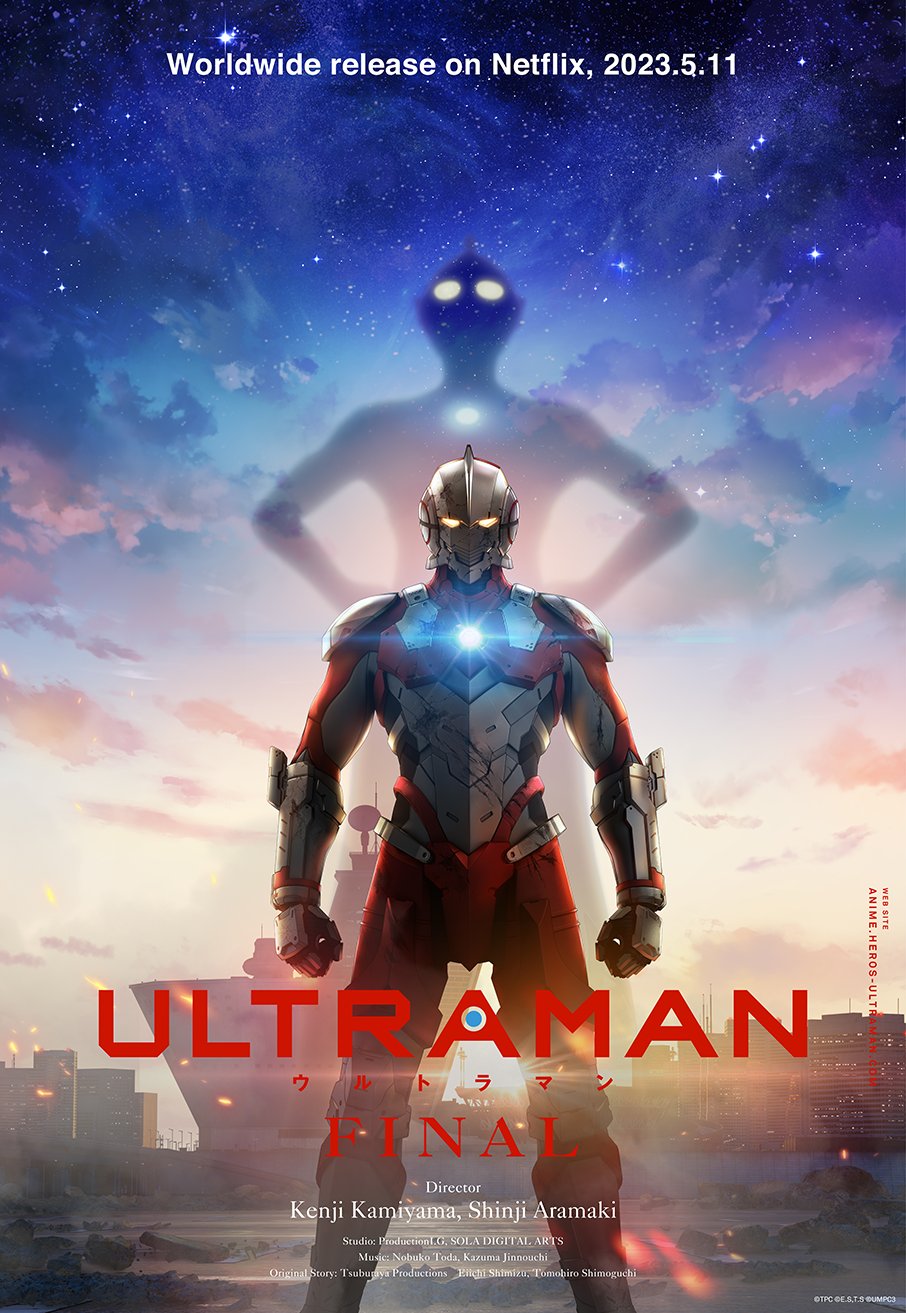
I do enjoy the cheesy element they implemented in season two when it came to introducing Kotaro Higashi, aka Ultraman Taro, a Gruff News Reporter with a Heart of Gold. It was something pulled out of American Superhero Comics, but it was the perfect thing that Netflix’s series needed, especially when it is in that superhero setting. In terms of a story, each season focused on a certain Ultraman. For example, Season One set up both Shinjiro’s origin, Season Two focuses on Taro’s origin, and the final season introduces Rena Sayama into the fold as Ultrawoman Marie and her connection to Ultraman. As for the enemies, it brought familiar foes that Ultraman has faced over the years, which included Bemular, Yapool, Ace killers, and Zetton. Each may have a more modern design, but they still stay true to the Ultraman Legacy. With familiar foes, also come familiar allies! We witnessed the return of Shinjiro’s father becoming Zoffy, Mitsuhiro Ide representing the SSSP, and Daisuke Arashi.
Aside from critiquing the animation and writing, the series was fun to watch. Offering Well-Choreographed action sequences, elements of the manga, and American Comic Books together while staying true to the Ultraman Franchise. Also, it serves as a perfect introduction to Ultraman while offering a sense of nostalgia for older fans and Tokusatsu fans. All three seasons of the Ultraman Anime Series are available now on Netflix.
This post contains affiliate links, which means that if you click on one of the product links and make a purchase, we’ll receive a percentage of the sale. Whatever purchase through the affiliate links helps the site.
Final Grade:
Thanks for reading! If you have any suggestions, news tips, or questions, email them to: webmaster@bigrednerd.com.



 Red's Nerd Den