
A surprise announcement from Tezuka Productions on Twitter revealed that the animation studio uploaded the movie edition of Kimba The White Lion (Jungle Emperor) , based on the Classic 50’s manga written and illustrated by the Father of Manga, Osamu Tezuka.
There’s a catch though, while yes, this classic film was uploaded to the studio’s YouTube channel (in 4k I might add), it is only available for a limited time. It is available until January 13, and it does come with a statement about the content depicting ethical, racial, and cultural prejudices being featured in the film which was commonplace in Japanese Society at the time of the film’s production, mentioning that it wasn’t the creators’ intention to display insensitivity to the audience, which the rest of the studio’s statement is listed below.
By showing the film in the present era, they also believe they have to convey to the world its underlying themes which include love for one’s family and the dignity of human life. It is done in a way to preserve the art of animation which is a significant part of Japanese Culture, and stands against racism and discrimination. Rather than remove the depictions from the movie, we would like to draw lessons from them and intimate meaningful dialogs to create a better future together.
Tezuka Productions
The studio also commented on the debate that was sparked among the media in Japan and the U.S. following the release of The Lion King in 1994, which highlighted the similarities between the two works. Tezuka’s family and Tezuka Productions never pursued litigation against The Walt Disney Company for copyright infringement. The Company’s Director, Yoshihiro Shimizu, and Tezuka’s Eldest Son spoke about the similarities between The Lion King and Jungle Emperor Leo, both remarking that it was two different stories with different themes. With Disney’s newest film, Mufasa: The Lion King currently in Theaters, this will be an ongoing debate amongst new and old fans.
The film was released on July 31, 1966, the first two minutes of the film were derived from the original animated series, and the rest of the film was reproduced. The studio also said that this wasn’t a re-edition of the episodes produced for TV. It would also win the St. Mark’s Silver Lion Award at the 19th Venice International Film Festival in 1967. Kimba The White Lion (Jungle Emperor Leo) was adapted from the Shonen Manga of the same name created by Osamu Tezuka, which was serialized in the Manga Shōnen magazine from November 1950 to April 1954. The manga chapters were collected into three tankobon volumes and its first volume would be released bilingually (Japanese-English) as Jungle Emperor Leo – Leo Edition. The manga would also inspire two anime adaptations, the first one produced by Mushi Production, and broadcast on Fuji Television from 1965 to 1967, which would be the first color-animated television series in Japan, the first series would also air in the United States In 1966. The second series was considered to be a sequel series titled Jungle Taitei: Susume Leo! (Jungle Emperor: Onward, Leo!) Which featured Leo (Kimba) as a grown-up. It would also inspire five animated films (which included one OVA animated film, a nine-minute film from the year 2000, and a television film from 2009.) There were plans for a video game adaptation in 1991 for the NES and then years later on the Nintendo 64, but both were canceled. In 2014, characters from Kimba The White Lion made an appearance in a music video for the song Boy by Leo Ieiri. The series would also inspire a stage musical in April 2024.
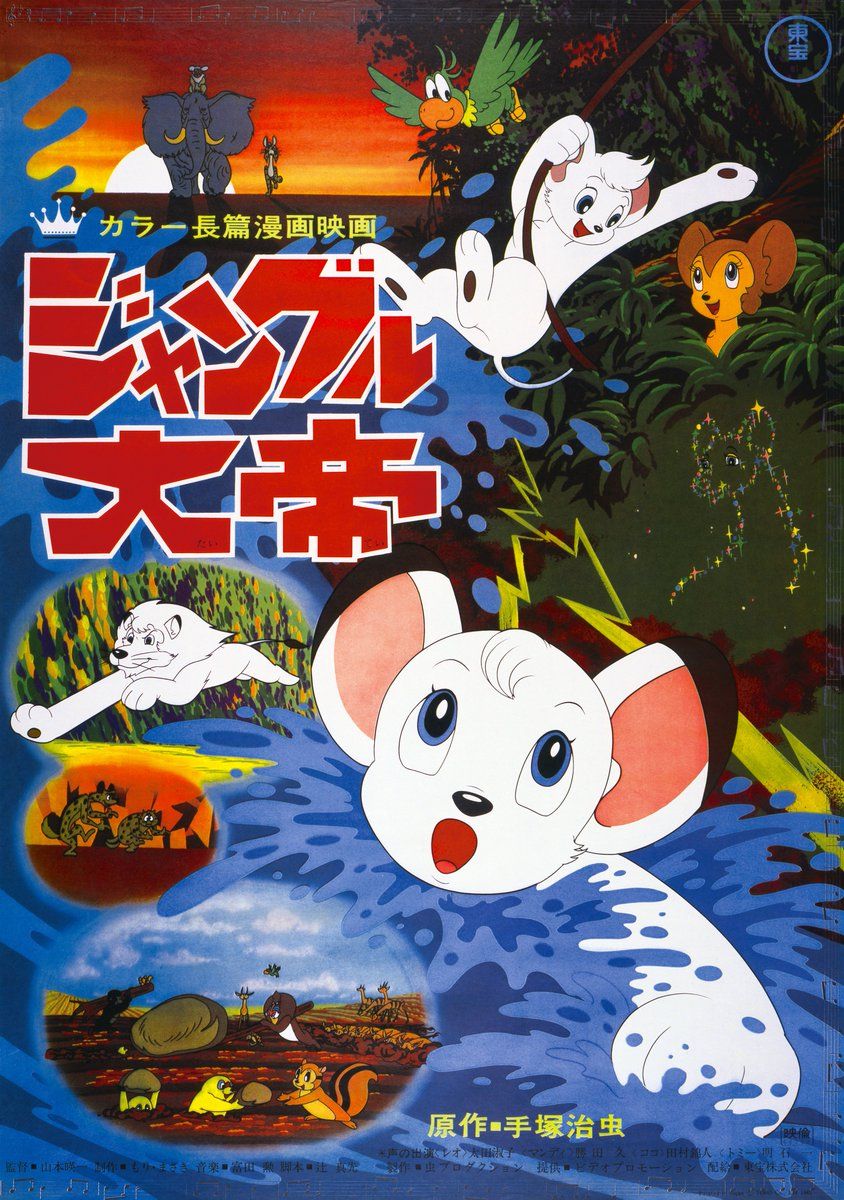
The story of Leo, the white lion that serves as the King and guardian of animals in the African jungle is vividly portrayed with vibrant animation and rich music that captivates the audience, delivering powerful messages about peace.
The YouTube Video previously listed in this article was removed due to it being a limited time viewing.
Source: Tezuka Productions Twitter
Thanks for reading! If you have any suggestions, news tips, or questions, email them to: webmaster@bigrednerd.com.



 Red's Nerd Den